AI answers first
Users now get a single synthesized answer before they ever see a results page. Your brand must be the source AI chooses to cite.
Insight: recommendation-led journeys are replacing click-led journeys.


Content Strategy Service
Build an AI-search content engine that earns citations, recommendations, and customers across ChatGPT, Gemini, Perplexity, Claude & Google AI Overviews.
Today’s buyers ask AI for answers before they visit Google. A legacy blog strategy built around keyword stuffing misses that shift entirely. Thomas Thong designs content systems engineered for both traditional search and generative-engine recommendations.
The way people find answers has moved from ten blue links to single, synthesized responses. Your content strategy needs to move with it.
Users now get a single synthesized answer before they ever see a results page. Your brand must be the source AI chooses to cite.
Insight: recommendation-led journeys are replacing click-led journeys.
Entities, intent, and authoritative context now drive generative recommendations. A keyword list without a knowledge model is invisible to AI.
Shift: from keyword density to entity clarity + E-E-A-T signals.
Inconsistent briefs, duplicated effort, and no measurement mean even good writers produce assets that do not compound.
Result: publish more, rank less, and miss the AI answer box.
An AI-first content strategy maps the questions your audience asks, the entities and sources AI engines trust, and the conversion paths that turn readers into leads. Every asset is planned before it is written.
It integrates GEO, AEO, and E-E-A-T principles so your blog posts, service pages, product hubs, and trust assets work harder together. The outcome is not just traffic — it is visibility inside AI answers and recommendations.
Six integrated modules that turn scattered content activity into a repeatable AI-search engine.
Interview-driven personas, Jobs-to-be-Done questions, and AI-search intent clusters that tell you exactly what to answer.
GEO-ready content briefs that specify entities, citations, angles, and schema requirements before a word is written.
Pillar and cluster maps, topic ownership, and internal linking designed for both human readers and LLM comprehension.
Comparison pages, case studies, calculators, and trust assets that move readers from research to action.
Editorial workflows, AI-assisted drafting guidelines, brand-voice guardrails, and approval cadence that keep quality high.
Dashboards tracking rankings, AI citations, brand mentions in LLMs, traffic, and pipeline impact.
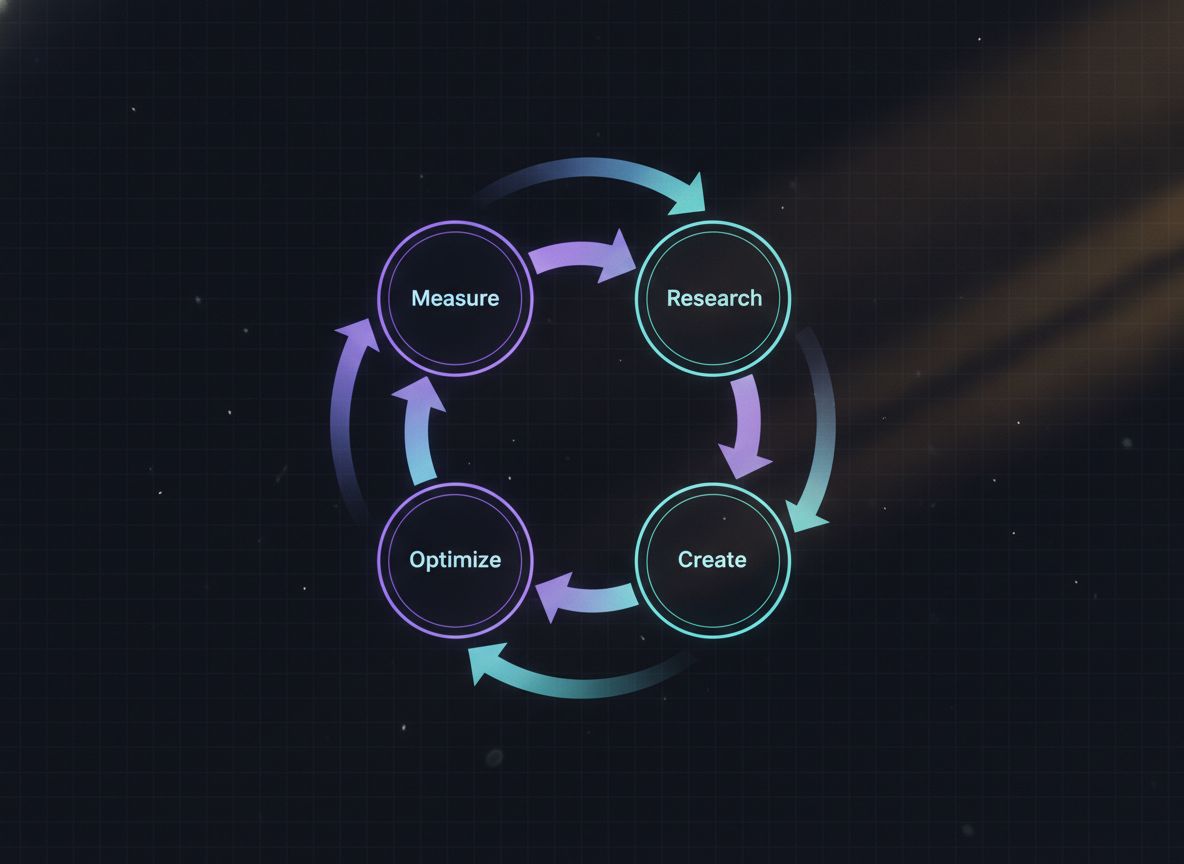
A clear, four-phase sprint that moves from audit to action without endless meetings.
Audit existing content, map audience questions, and identify AI citation gaps across your priority topics.
Design the topic/entity map, content calendar, and brief templates that guide every future asset.
Create or optimize assets using human expertise plus AI efficiency, governed by brand-voice guardrails.
Measure visibility in search and AI engines, then refine based on citation data and traffic signals.
Every engagement leaves you with assets your team can execute against immediately.
Practical content strategy shaped for the industries and growth stages we serve most often.
Thought leadership, service pages, and comparison content that earns trust during long buying cycles.
Product guides, category hubs, and AI-shopping answer optimization that brings buyers closer to checkout.
Local intent content, FAQ engines, and trust signals that help AI recommend your business first.
Market-entry content maps and low-competition topic wins that build authority fast in a new segment.
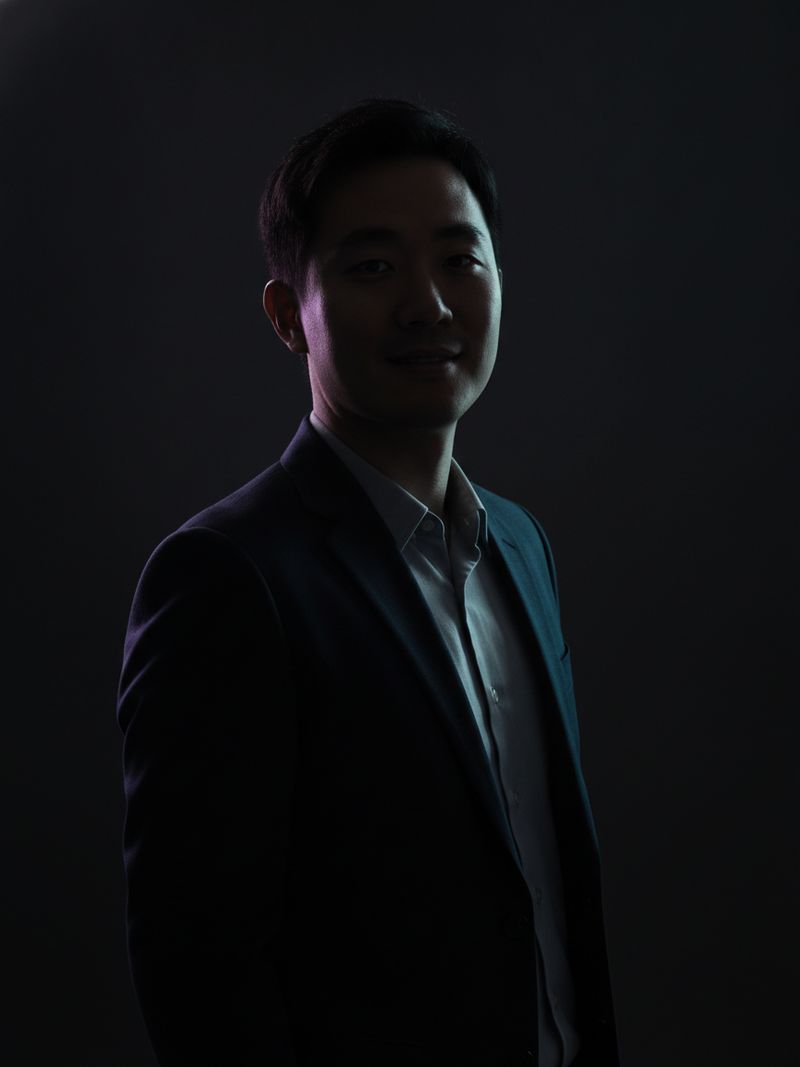
Thomas Thong is a GEO Consultant and Account Manager at Hashmeta AI Pte Ltd, a Singapore-headquartered agency that helps brands win visibility inside conversational AI. He combines account-management discipline with hands-on AI-search execution.
That means your content strategy is not handed off to a junior writer. It is shaped by someone who understands how ChatGPT, Gemini, Perplexity, Claude, and Google AI Overviews select, cite, and recommend brands — and how to turn that into revenue for a Singapore SME.
More about ThomasSubmit your website and get a quick audit of how visible your brand is in AI search, plus the top 3 content moves that can improve it.
Straight answers about AI-first content strategy for Singapore businesses.
Traditional content strategy often focuses on keywords, publishing volume, and ranking in classic search results. AI-first content strategy also maps the entities, sources, and answers that generative AI engines use when they synthesize responses, so your brand is cited and recommended inside ChatGPT, Gemini, Perplexity, Claude, and Google AI Overviews.
GEO makes your brand visible inside AI-generated answers. AEO structures content so it directly answers the questions people and AI engines ask. A strong content strategy integrates both, plus E-E-A-T signals, so every asset supports rankings, citations, and conversions.
Both options are available. Most clients start with a strategy sprint that produces briefs, calendars, and governance guides, then choose ongoing production support or hand execution to their in-house team.
You will receive the strategy and briefs within 4–6 weeks. Search ranking and traffic improvements typically follow over the next 1–3 months. AI citation and recommendation growth can begin earlier once optimized assets are indexed and cited.
Yes. The process is designed to plug into your existing team, providing clear briefs, editorial workflows, and dashboards so in-house writers, SEOs, and designers stay aligned.
The strategy covers ChatGPT, Google Gemini, Perplexity, Claude, Google AI Overviews, and the broader generative search ecosystem, plus traditional search engines.
Book a free 30-minute content strategy call with Thomas Thong and leave with a clear picture of your AI-search opportunities.